US Stocks Fall as Oil Prices Push Inflation Fears Higher
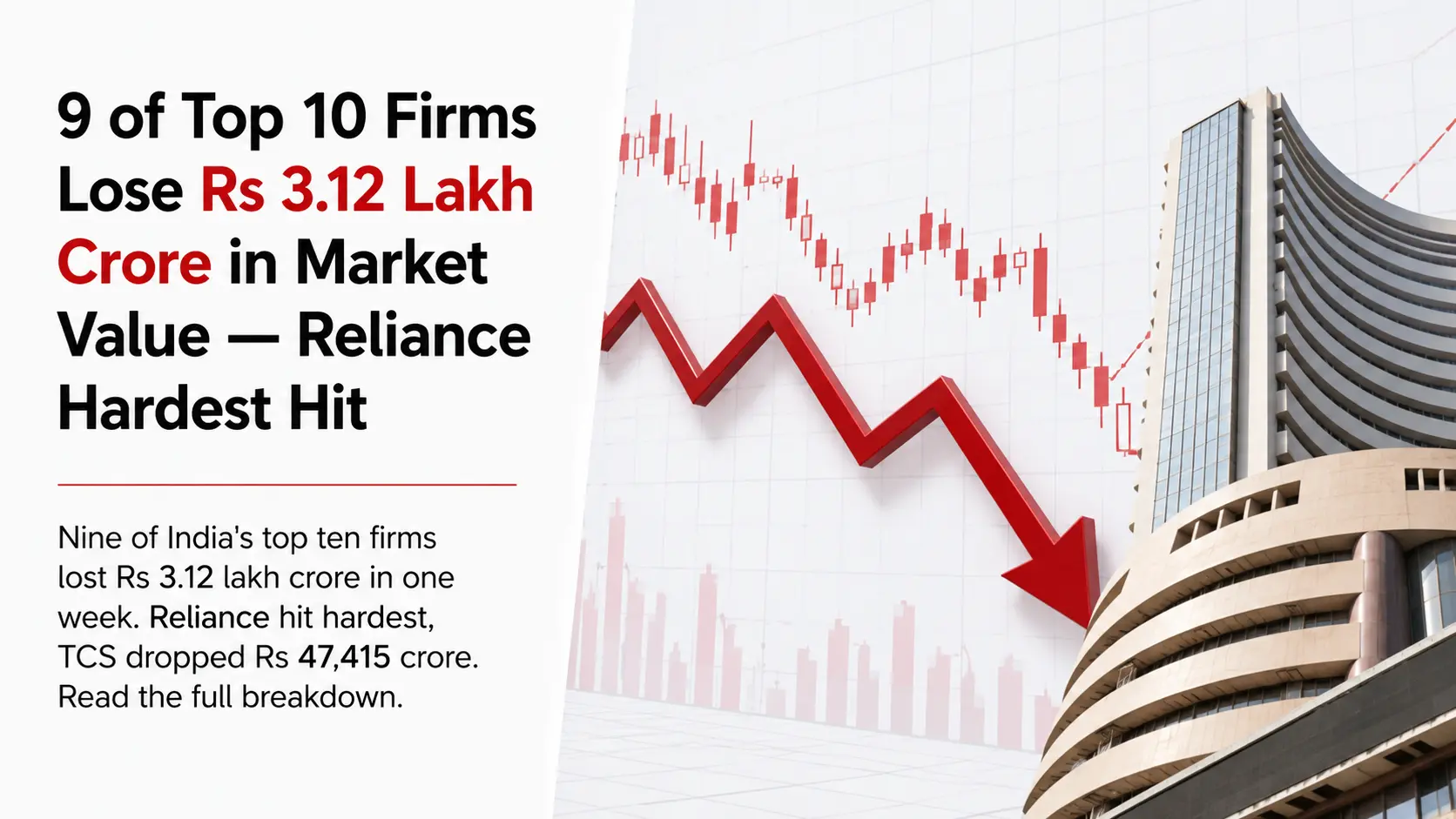
Friday was a rough day on Wall Street—a really rough one, where the Dow Jones (America's most watched stock market number) crashed nearly 500 points in a single session, wiping out weeks of gains built on AI excitement. That stings. Oil prices shot up, Treasury yields jumped, and suddenly every investor in the room was thinking the same scary thought: what if inflation's coming back? Let that sit. For Indian families who have money in US mutual funds, or whose children work in American tech companies, this isn't just some faraway number on a screen; it hits home. And the story of why it all happened is more interesting—and more worrying—than the headline suggests.
- Look, the Dow took a nosedive, dropping nearly 500 points on Friday and dragging all three major US stock indexes down with it in a single trading session.
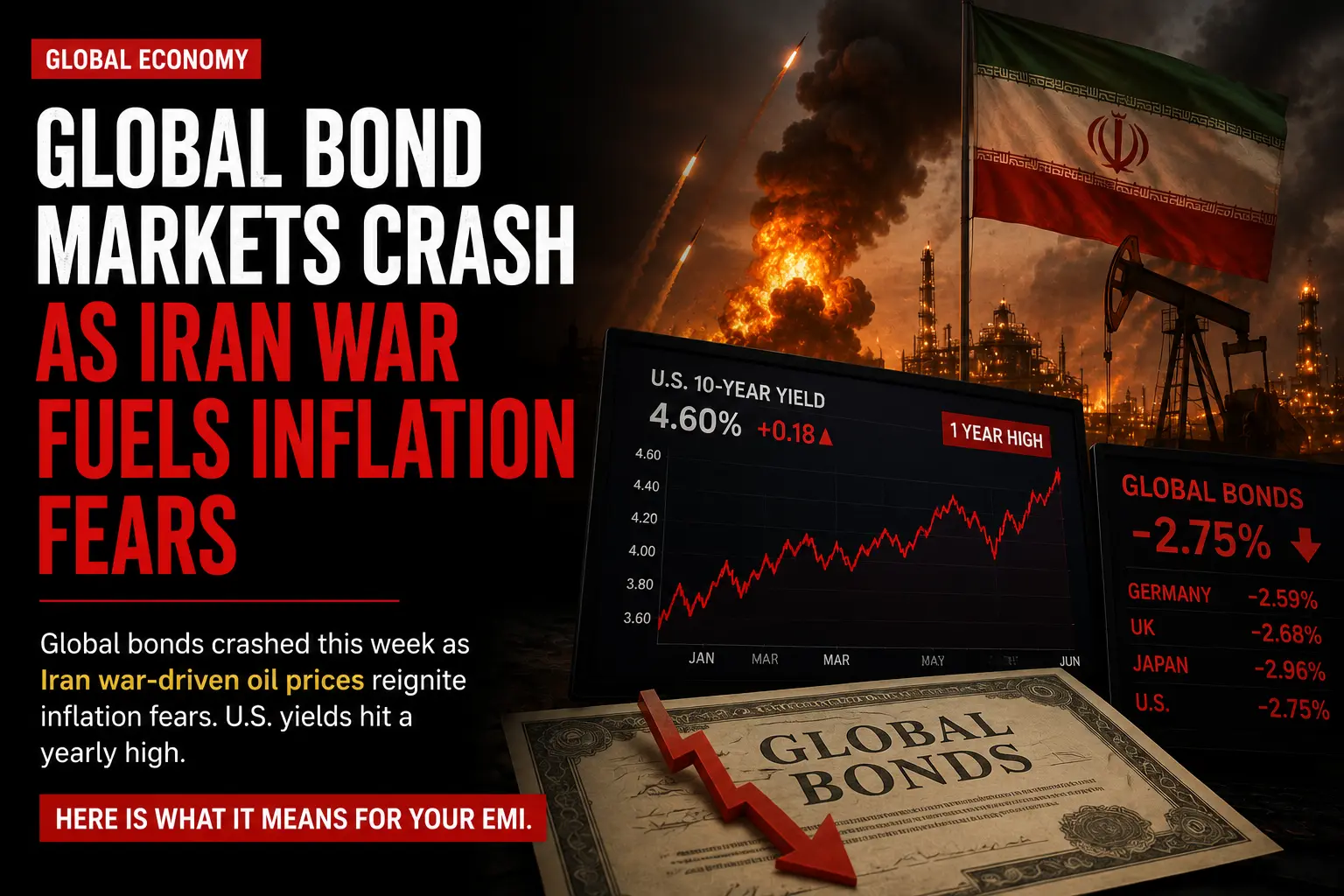
- Soaring crude oil prices sparked a new wave of global inflation anxiety, which jacked up US Treasury bond yields and made stocks look a lot less appealing to investors.
- And Jerome Powell's term as US Federal Reserve chair ended right in this mess of high uncertainty, which left markets guessing about future interest rate calls.
- Here's the thing—the much-hyped Trump-Xi summit between the US and China ended with almost nothing to show for it. No major trade deal. No clear path forward. This just added to investor anxiety.
- The only clear winners for the day? Energy company stocks, which climbed as oil prices went up, while the AI-driven tech darlings fell hard.
- For Indian investors with US equity mutual funds or global ETFs, it’s time to check portfolio exposure. A long-term slide in US markets can and will drag these funds down.
And here's why that matters.
Why Wall Street Was Flying High Before All This
For months, American stock markets had been on an absolute dream run—all thanks to the explosion in artificial intelligence, a boom that seemed to have no ceiling. No joke. Companies like Nvidia, Microsoft, and Google were posting massive profits, and investors just couldn't pour money into anything connected to AI fast enough. And more. The Dow, the S&P 500, and the Nasdaq (the three big US market indexes) all rocketed to record highs. It really felt unstoppable. Right?
But here's the thing about stock markets: they go up fast, but they can come down even faster—especially when something spooks them. Facts. And what scared them this Friday wasn't some new, complex threat; it was old, familiar, and very real: inflation. That's the truth. Prices going up. Everything costing more. Is this really a surprise? The kind of problem that hits ordinary people first—at the grocery store, at the petrol pump, at the electricity bill.
So what exactly happened? How could a record-breaking market just turn into a 500-point crash in a single day?
But not for the reasons you'd expect.
Wow.
What Actually Happened on That Friday
It all started with oil—a sharp spike in crude oil prices set off a chain reaction that rattled the entire market. Think about it. When oil gets expensive, everything gets expensive, from shipping goods to making plastic to running factories. Big deal. That's what investors call an “inflation signal.” And right now, nobody on Wall Street wants to see inflation signals.
- Dow Jones fell nearly 500 points: That's a drop of about 1.2% in one day—not the worst crash ever, but definitely big enough to scare investors who'd just been celebrating record highs.
- S&P 500 and Nasdaq also fell: All three major US indexes moved lower in lockstep, which shows this wasn't just one sector having a bad day. The whole market was spooked.
- US Treasury yields jumped: Think of Treasury bonds as loans to the US government. When their yield (the interest paid back) goes up, investors start asking, “Why gamble on risky stocks when safe government bonds are paying more?” So money fled from stocks.
- Jerome Powell's tenure as Fed chair ended: Powell had been the head of the US Federal Reserve—the powerful organization that controls American interest rates—for years. His exit, right in the middle of these sticky inflation fears, just added a layer of uncertainty to a nervous market.
- Trump-Xi summit produced nothing concrete: A much-watched meeting between US President Donald Trump and Chinese President Xi Jinping ended without any big trade deal. Markets were hoping for good news. They didn't get it.
- Energy stocks were the only bright spot: Simple logic here. Because oil prices rose, companies that drill and sell oil made money. So energy sector stocks went up while almost everything else went down.
And the AI-fueled rally that had been carrying US markets to record after record? It finally slammed into a wall—a wall made of crude oil and rising bond yields. Big shift. The party was officially over. Period.
The kind of thing most people miss.
The Real Picture Behind the Numbers
Here's what this really signals: inflation in America was supposed to be under control, a problem we'd already solved. Not anymore. The US Federal Reserve had raised interest rates sharply over the past two years to cool things down, making loans expensive so people and companies would spend less. Read that again. For a while, it seemed to be working. But “sticky inflation”—a term economists use when prices refuse to come all the way back down—has been the persistent problem. It's like a fever that comes down a little but never fully breaks.
Now, with oil prices jumping again, there are real fears that inflation could climb right back up. And? If that happens, the Federal Reserve—under its new leadership after Powell—might have to raise interest rates again. Key point. And higher interest rates are almost always bad news for stocks. They make it more expensive for companies to borrow money, which means less growth, less profit, and ultimately, lower share prices.
From three different angles, here's what people are saying, and the views couldn't be more different. The result? The US government view: inflation is manageable and the economy is still strong. The expert view: the combination of rising oil, higher bond yields, and Fed uncertainty is a dangerous cocktail that could tank the market for weeks. Nobody talks about this. The ordinary investor view: people who just started putting money into US-linked mutual funds are now watching their returns vanish and wondering if they made a huge mistake.
For context—back in 2022, when the Fed was aggressively hiking rates to fight inflation, the S&P 500 fell over 19% in a single year. Wild. That wiped out crores of rupees in value for Indian investors with international fund exposure. That's real. This time around, the fear is that history could repeat itself. But who really benefits here?
Period.
Not something you see every day.
How This Affects You Right Here in India
You might be thinking, 'This is America's problem, why should I care?' But here's exactly why you should.
For a salaried person in Bengaluru or Mumbai who has put money into international mutual funds like the Mirae Asset S&P 500 ETF or Motilal Oswal Nasdaq 100 FOF, a 500-point Dow crash directly reduces the value of your investment. Yep. Even a 1-2% fall in US markets can translate into very real rupee losses for Indian investors. That's the truth.
And for Indian IT professionals whose companies depend on US clients, a slowdown in American corporate spending—which happens when companies get scared about higher costs and lower profits—means fewer new projects and possible hiring freezes. Big. In some cases, it means job cuts. Companies like TCS, Infosys, and Wipro get a massive chunk of their business from American clients. Unreal. When the US economy sneezes, Indian IT catches a cold. That isn't a cliché; it's just accounting.
And then there's the rupee angle. When US bond yields go up, global investors yank money out of emerging markets like India and park it in safer American bonds. Huge. This puts pressure on the Indian rupee, making it weaker against the dollar. A weaker rupee makes imports more expensive—and don't forget, India imports a lot of oil. And now? So yes, rising US inflation can eventually mean higher petrol prices right here in India.
So what should you do right now? First, don't panic and sell everything—that's almost never the right move. True. But you absolutely should check how much of your portfolio is in US-linked funds. And that's big. If it's more than 15-20% of your total investments, this might be a good time to talk to your financial advisor about rebalancing. And please, don't add fresh money to US equity funds right now until there's more clarity on where inflation and interest rates are headed.
And that's just the beginning.
What to Watch For in the Coming Weeks
So the biggest thing to watch is what the new US Federal Reserve leadership does next, and it's a decision that will have massive ripple effects. Not small. With Powell gone, markets desperately want to know: will the new Fed chair lean towards cutting interest rates (good for stocks) or keeping them high, or even raising them (bad for stocks)? Worth it. That decision—whenever it comes—is going to move markets dramatically.
Second, keep your eyes glued to oil prices. If crude stays high or goes even higher, inflation fears are only going to keep growing. Think. But if oil pulls back—which can happen surprisingly quickly due to OPEC decisions or shifts in global demand—markets could recover just as fast as they fell. And that's big.
Three scenarios are possible right now, from best to worst. Best case: oil prices ease, the new Fed signals it'll keep rates steady or cut them, and markets recover within a few weeks. The result? Most likely case: markets stay choppy and nervous for the next one to two months, with occasional sharp drops and small recoveries—what traders call a “volatile range.” Worst case: inflation picks back up seriously, the Fed raises rates again, and US markets enter a proper correction—a fall of 10-15% from their recent highs. That would be very painful for anyone with global fund exposure.
Watch the US Consumer Price Index (CPI) data—that's the official inflation number—due in the coming weeks. And watch what happens to crude oil prices every Monday morning. Those two data points will tell you more about where this is all headed than any expert prediction ever could. Period.
Think.
Frequently Asked Questions About US Stock Market Fall and Inflation
Why did the Dow Jones fall 500 points on Friday?
Honestly—oil prices jumped, spooking investors about inflation. Higher inflation could mean the US Federal Reserve raises interest rates again, making stocks less attractive than safer government bonds. So, investors started selling, pushing the Dow down.
How does rising US inflation affect Indian investors?
Here's the short version: if you've put money into international mutual funds tied to the S&P 500 or Nasdaq, a US market dip directly shrinks your fund's value. That's the direct hit. But there's an indirect one too: when US bond yields go up, global investors often pull money from India, which weakens the rupee. A weaker rupee makes petrol and imported goods pricier for everyone, not just investors.
What is a Treasury yield and why does it matter to stock markets?
Simply put, a Treasury yield is the interest the US government pays on its loans (bonds). When this rate climbs, investors see a safer bet. Why risk money in the stock market when you can get a guaranteed return from the government? So money flows out of stocks.
Should I sell my US mutual funds right now because of this crash?
Good question. Look—don't panic-sell based on one bad day. A single drop isn't a long-term collapse. But here's the thing: if over 15-20% of your total savings are parked in US-linked funds, it’s a smart move to review your exposure with a financial advisor. I'd also hold off on putting fresh money into these funds until oil prices stabilize and we get clearer signals on US interest rates.
What is Jerome Powell's exit from the Fed and why does it matter?
The thing is, Jerome Powell was the head of the US Federal Reserve, the group that sets American interest rates. His term ended when inflation is still a major concern. Markets hate uncertainty, and a leadership change at the Fed creates just that—nobody's sure what the new chair's policy will be.