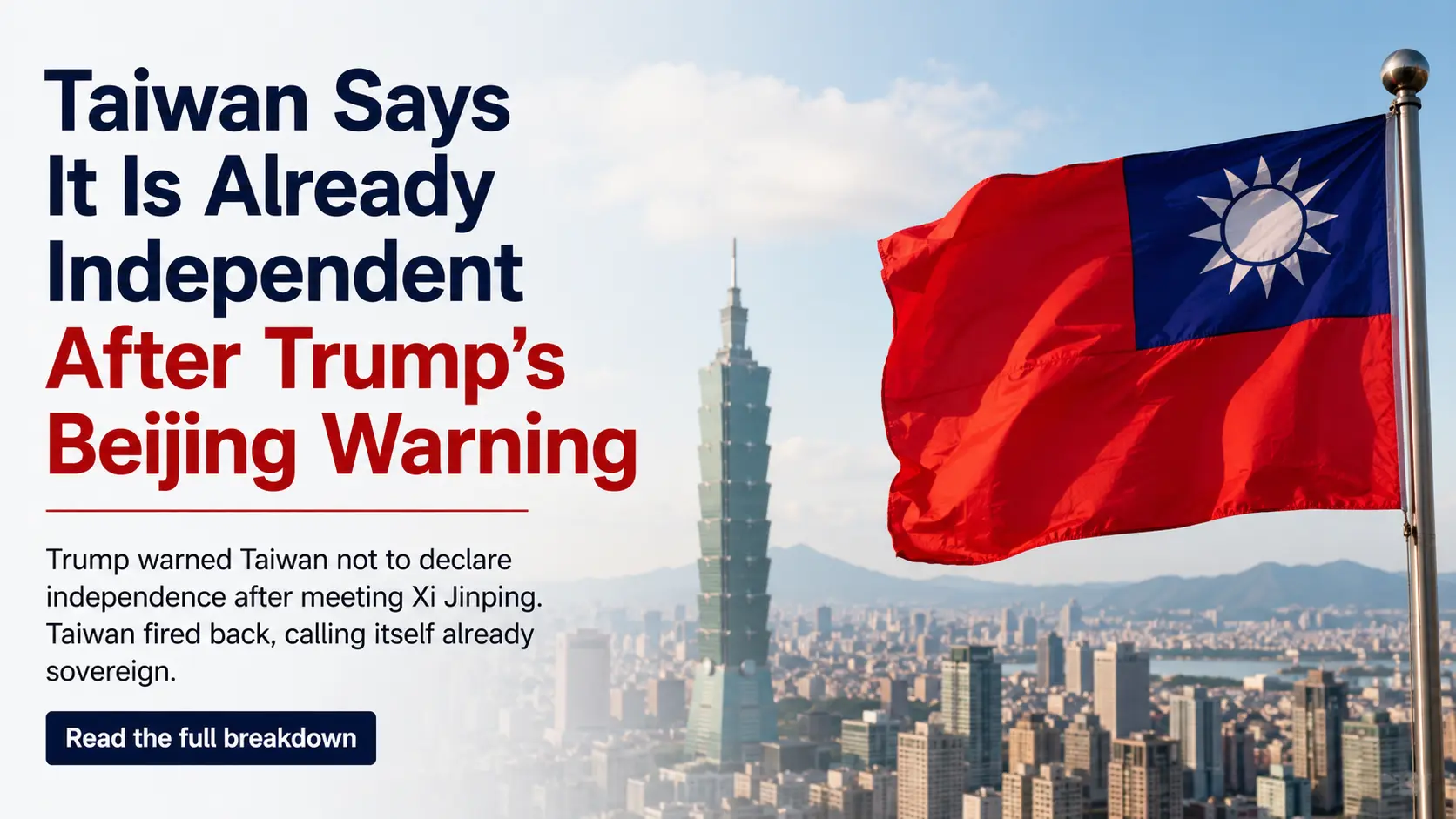
Taiwan Says It Is Already Independent After Trump's Beijing Warning
Donald Trump landed in Beijing, sat across from Xi Jinping for two days, and then—on the flight back to Washington—he looked at reporters and said something that absolutely shook the entire Asia-Pacific region (a move nobody saw coming). Wow. He warned Taiwan not to formally declare independence. And? Taiwan fired right back. Within hours, Taiwan's Presidential Office put out a statement saying the island is already an independent country, that it's always been one, and that nobody needs to tell them otherwise. This isn't just political back-and-forth. No joke. This is a flashpoint that involves nuclear-armed powers, billions of dollars in weapons deals, and—if you look closely—India's own neighborhood security.
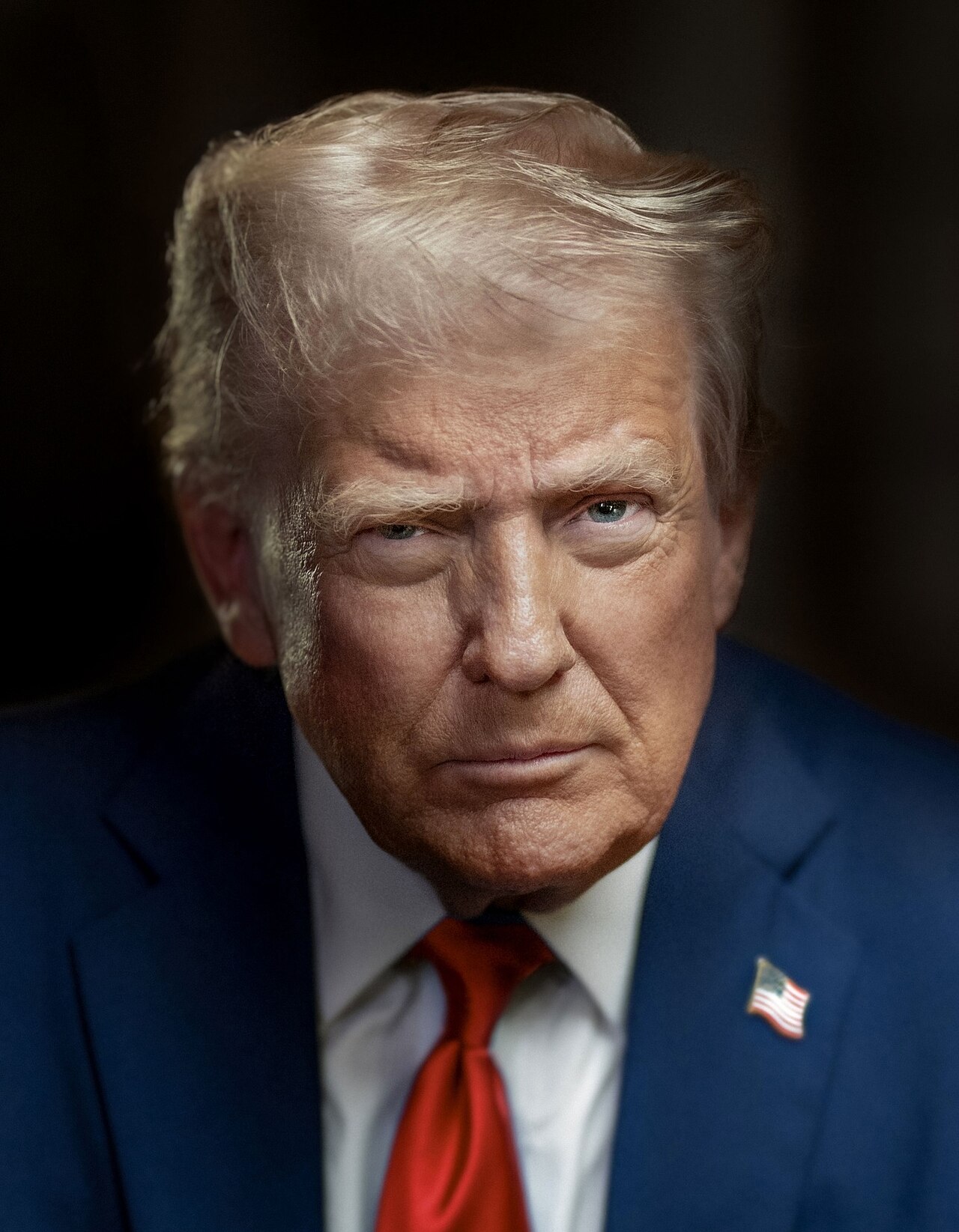
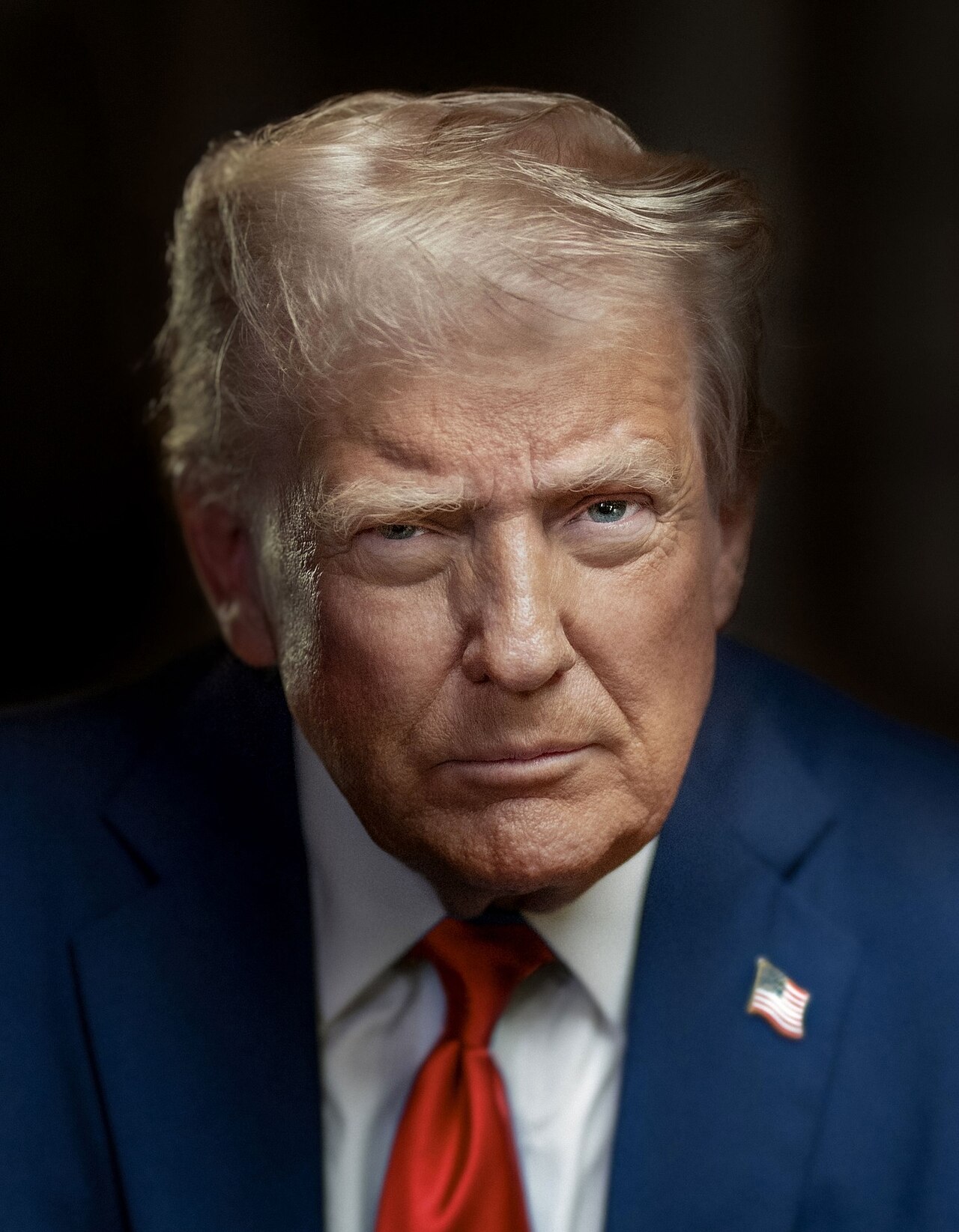
- Right after his two-day Beijing summit with Xi Jinping, US President Donald Trump told Taiwan on May 16, 2026, not to declare formal independence.
- Taiwan’s Presidential Office spokesperson Karen Kuo shot back the same day, stating the Republic of China is obviously “a sovereign, independent democratic country.”
- And Trump kept everyone guessing by saying he “made no commitment either way” on Taiwan's future, leaving America’s actual position unclear.
- A massive $11 billion (about ₹91,000 crore) weapons package for Taiwan is on Trump’s desk, and his decision could provoke a military reaction from China.
- Taiwan's officials were quick to point out that both Trump and Secretary of State Marco Rubio have repeatedly said US policy on the island “remains unchanged.”
- Look, China claims Taiwan is its territory and hasn't ruled out a forcible takeover, making this one of the world's most volatile hotspots.
Wow.
The Story Behind This Island That the Whole World Is Watching
Most people in India hear “Taiwan” and think of cheap electronics or maybe the chips inside their phones. Is this really a surprise? But here's the thing—Taiwan's also the most dangerous piece of land on the planet right now. And here's why.
Taiwan—officially the Republic of China—has been self-governing since 1949, the year the Chinese Communist Party won a brutal civil war on the mainland and the losing Nationalists fled to the island. Big shift. Since then, Taiwan's built its own democracy, army, passport, and economy. True. But China has never accepted this. Beijing calls Taiwan a “breakaway province” and says it must eventually come back under Chinese control, using peaceful means if possible but military force if necessary.
And the United States has a complicated relationship with this whole situation—one filled with diplomatic double-speak and strategic ambiguity. That's real. America doesn't officially recognize Taiwan as an independent country. And more. But US law—specifically the Taiwan Relations Act—requires Washington to make sure Taiwan can defend itself. So America sells weapons to Taiwan, even while officially pretending Taiwan isn't a separate country. This balancing act worked for decades. But right now, with Trump back in power and making deals with Xi Jinping, that balance looks very, very shaky. But here's the real question—did Trump just give China a green light?
The kind of thing most people miss.
What Exactly Happened: The Warning, the Trip, and the Pushback
So here's the full sequence of events, in plain words.
Trump flew to Beijing for a two-day summit with Chinese President Xi Jinping, where they talked trade, the South China Sea, and—almost certainly—Taiwan. Not small. When Trump boarded his flight back to Washington on May 16, 2026, reporters were on the plane. Right? And Trump told them directly that Taiwan shouldn't seek formal independence.
- Trump's exact warning: He said Taiwan shouldn't formally declare independence from China. He didn't say he'd stop them by force—but the warning itself was a huge signal to both Beijing and Taipei.
- No commitment either way: And Trump also said he “made no commitment either way” about Taiwan's future. In diplomacy, that kind of vague language is deafening. It tells China, "We aren't promising to defend Taiwan." And it tells Taiwan, "Don't count on us automatically."
- Taiwan's response — same day: Within hours, the Presidential Office in Taipei shot back a statement through spokesperson Karen Kuo, using Taiwan's official name—the Republic of China—and calling it “a sovereign, independent democratic country.” The statement called this “self-evident.” In other words? We don't need Trump's permission to be what we already are.
- The weapons deal question: Trump also mentioned he’d “soon decide” on approving an $11 billion weapons package—roughly ₹91,000 crore—that Taiwan requested. This package includes advanced missiles, drones, and other military gear. If Trump approves it, China will be furious. If he blocks it, Taiwan will feel abandoned. That stings.
- Taiwan's diplomatic shield: And Taiwan's Presidential Office also pointed out that both Trump and his Secretary of State Marco Rubio had given “multiple reaffirmations” that America's basic policy toward Taiwan “remains unchanged.” This was Taiwan's way of saying: calm down, the Americans still have our back, even if Trump sounded a bit wobbly.
- Taiwan's current President: Taiwan's President is Lai Ching-te. He took office in 2024 and is known for being much more direct about Taiwan's identity as a separate country than his predecessors. China considers him a separatist. This makes him a particularly sharp thorn in Beijing's side right now. And that's big.
So, to sum it up simply, Trump met Xi, said something that sounded suspiciously like he was leaning toward China's position on Taiwan. Big deal. And Taiwan immediately pushed back hard to make sure nobody thought the island was going to just quietly accept that. Period.
Period.
Why This Is Bigger Than One Summit, One Warning, One Statement
Here's the part most news reports gloss over—the subtext that actually drives the entire conflict. Nobody talks about this. This isn't just about whether Taiwan will declare independence or not. Read that again. Taiwan isn't actually planning to make a formal independence declaration anytime soon because it already considers itself independent. The real issue is much, much deeper.
Look, what Trump did in Beijing—whether he meant to or not—was hand China a small but significant gift. Let that sit. When the US president publicly warns Taiwan against formal independence, it sounds, to Beijing's ears, like America's moving in China's direction. Think about it. China's entire argument for years has been that the US should stop “interfering” and just accept that Taiwan belongs to China. Trump's warning plays right into that narrative. And China's state-run media wasted zero time celebrating the comment.
Now look at the three different views on what just happened, because they're all radically different. Huge. First, from Washington's side, the Trump administration is probably trying to manage China while also keeping Taiwan on a leash. Worth it? Trump loves deals. He likely wants some kind of arrangement with Xi—on trade, on North Korea, on something—and Taiwan's status is a bargaining chip. But who really benefits here? Second, from Taiwan's side, this feels like a betrayal. They've watched Hong Kong lose its democracy step by step, and they're watching carefully to see if America is slowly backing away from its commitment to keep them safe. And where does that leave the rest of us? Third, from China's side, this is progress. Every time America hesitates about Taiwan, Beijing gains ground without firing a single shot. The result? That's exactly the kind of win Xi Jinping wants before making any bigger moves.
For India, this matters immensely—and it's not some distant foreign policy debate. That's the truth. China is our northern neighbor. Facts. If China gains more confidence in the Taiwan Strait, if it sees America weakening on Taiwan, it may also feel bolder along the Line of Actual Control. These things are deeply connected.
And here's why that matters.
How This Affects People in the Real World — Including You
You might think, "Okay, this is a China-Taiwan-America problem." Unreal. "What does it have to do with me, sitting in Pune or Patna or Palakkad?" And now?
Quite a lot, actually. Think about the semiconductor chip inside your smartphone, your laptop, your car—it's the brain of modern life. Wild. A massive share of the world's most advanced chips are made in Taiwan, mostly by a company called TSMC (Taiwan Semiconductor Manufacturing Company). Yep. If Taiwan ever faces a military conflict, or even just a naval blockade by China, the global supply of chips could collapse almost overnight. The price of your next phone could jump by ₹15,000 to ₹30,000. Indian companies that manufacture electronics or export tech services could face a serious crisis. This isn't far-fetched. Not anymore. Analysts have been warning about it for years.
So for an Indian IT professional working in a company that depends on US-Taiwan-China supply chains, this story is deeply personal. And that's big. Any military escalation in the Taiwan Strait could trigger global financial markets to crash, just like they did in 2008—and India wouldn't be immune. Key point. And if America ends up in a deeper conflict with China over Taiwan, India could be pushed to take sides way faster than our government would like.
Think.
Right now, the short-term answer is this: keep watching but don't panic. There's no war happening today. But the long-term trend is crystal clear. The Taiwan situation is getting less stable, not more. And why does this matter right now? India should be paying very, very close attention to what Washington and Beijing agree to, because those deals will shape Asia for the next 20 years.
But not for the reasons you'd expect.
What Comes Next — The Decisions That Will Tell Us Everything
There are three specific things to watch in the coming weeks and months, and each one will tell us if this situation is calming down or heading toward a cliff. That's the truth. So what does this actually mean?
First—the weapons decision. Trump said he'd “soon” decide on the ₹91,000 crore weapons package for Taiwan. And? If he approves it, China will retaliate, likely through economic pressure on US companies or more aggressive military exercises. If he delays or cancels it, Taiwan and all of America's Asian allies will panic. Japan, South Korea, the Philippines—they're all watching this decision like a hawk. Second—what China does next. After the Beijing summit, China's military has been unusually quiet. That's either a good sign (Xi got what he wanted through diplomacy) or a very bad sign (they're planning something bigger and just waiting). Big. Watch for any Chinese military exercises near Taiwan in the next 60 days. Period. Third—Taiwan's next presidential statement. President Lai Ching-te has so far been careful but firm. If he decides to push back harder against Trump's warning with a more aggressive pro-independence speech, that could trigger a sharp reaction from both Washington and Beijing.
The most likely scenario right now is that things stay tense but contained—America will probably approve the weapons deal, China will complain loudly, and Taiwan will keep saying what it's always said: we're already independent. Let that sit. But the worst-case scenario, a Chinese military blockade or even an invasion of Taiwan, is no longer something experts dismiss as impossible. No joke. It's on the table. And the decisions being made in Washington, Beijing, and Taipei right now will determine exactly how close we get to it.
And that's just the beginning.
Frequently Asked Questions About Taiwan Independence and Trump's Warning
Is Taiwan actually an independent country?
Honestly — Taiwan governs itself completely, with its own president, army, and democratic elections. But most countries, including the US, don't officially recognize it as a nation due to intense pressure from China. It considers itself sovereign.
Why did Trump warn Taiwan against declaring independence?
The thing is, Trump had just finished a two-day summit with Chinese President Xi Jinping, and China's top demand is always that other countries don't encourage Taiwan's independence. So, Trump's warning was likely a diplomatic gesture toward Beijing, perhaps to get China's cooperation on trade or something else. It's a classic Trump move—using a sensitive issue as a bargaining chip. Whether it was a real policy shift or just a casual comment is still being debated by everyone.
How does the Taiwan situation affect ordinary Indians?
In plain words, it's about your phone, laptop, and job. Taiwan makes most of the world's advanced semiconductor chips. A conflict there would dry up supply, making electronics in India way more expensive and hitting our IT and manufacturing sectors hard.
What is the $11 billion weapons deal that Trump mentioned?
Good question. This is a massive package worth about ₹91,000 crore that Taiwan requested from the US, filled with advanced missiles and military gear. Here's the key part: American law actually requires the US to help Taiwan defend itself, so this isn't out of the blue. Trump said he'd decide soon, and his choice will send a crystal-clear message to both China and Taiwan about where America truly stands.
What happens if China decides to take Taiwan by military force?
Look — it would be the most serious military crisis the world has seen since WWII. Global chip supplies would collapse, financial markets would crash, and the US could be pulled into a direct war with China. And India? We'd be stuck in the middle, forced to pick a side.