Introduction
Cooking is a universal skill — but mastering it begins with understanding the methods behind every delicious dish. From the smoky flavors of grilled meat to the delicate tenderness of steamed fish, every technique transforms ingredients in a unique way.
To help you choose the best approach for your next meal, this blog presents the ultimate cooking methods chart. It’s your all-in-one guide to comparing cooking styles, preparation time, best uses, and nutritional benefits.
Whether you’re a beginner or a seasoned home chef, this guide will help you cook smarter, healthier, and tastier.
1️ Why a Cooking Methods Chart Matters
Cooking
isn’t just about recipes — it’s about techniques.
Each method influences:
- Flavor: Grilling enhances smoky notes; steaming preserves natural sweetness.
- Texture: Roasting makes food crisp; boiling softens it.
- Nutrition: Some techniques protect vitamins, while others may reduce them.
- Efficiency: Understanding time and temperature helps you cook faster and better.
A cooking methods chart simplifies this by laying out how every method works, what it’s best for, and how it affects your food.

2. Cooking Methods Overview
Cooking methods fall into three main types:
- Dry Heat Methods – Use air, oil, or fat to cook food.
- Moist Heat Methods – Use water, broth, or steam for gentle cooking.
- Combination Methods – Combine both to create complex, rich flavors.
Let’s break these down in a comprehensive chart.
3️Cooking Methods Chart (Complete Comparison)
|
Cooking Method |
Type |
Heat Source |
Best For |
Texture Outcome |
Time Needed |
Nutritional Impact |
|
Boiling |
Moist Heat |
Water |
Pasta, eggs, vegetables |
Soft, tender |
Short–medium |
Some nutrient loss into water |
|
Simmering |
Moist Heat |
Water or broth |
Soups, sauces, stews |
Tender, flavorful |
Medium–long |
Preserves flavor and moisture |
|
Steaming |
Moist Heat |
Steam |
Vegetables, fish, dumplings |
Light, moist |
Short |
Retains most nutrients |
|
Poaching |
Moist Heat |
Water or wine |
Eggs, fruits, poultry |
Delicate, soft |
Short |
Excellent nutrient retention |
|
Baking |
Dry Heat |
Oven (air) |
Bread, pastries, casseroles |
Fluffy, crisp edges |
Medium–long |
Moderate nutrient retention |
|
Roasting |
Dry Heat |
Oven (air) |
Meat, poultry, vegetables |
Crisp outside, juicy inside |
Medium–long |
Preserves minerals; adds flavor |
|
Grilling |
Dry Heat |
Flame or electric |
Meat, fish, vegetables |
Smoky, charred |
Short |
May reduce nutrients if overdone |
|
Broiling |
Dry Heat |
Direct overhead heat |
Thin cuts of meat, fish |
Crisp, browned top |
Short |
Retains nutrients if monitored |
|
Sautéing |
Dry Heat |
Oil in pan |
Vegetables, meats |
Lightly crisp |
Short |
Retains nutrients; watch oil use |
|
Pan-Frying |
Dry Heat |
Oil in pan |
Meat, cutlets, fish |
Crisp, golden |
Short–medium |
Adds calories from oil |
|
Deep-Frying |
Dry Heat |
Hot oil |
Potatoes, snacks |
Crunchy, rich |
Short |
High fat absorption; low nutrition |
|
Braising |
Combination |
Oil + liquid |
Meat, vegetables |
Tender, rich |
Long |
Retains nutrients in sauce |
|
Stewing |
Combination |
Liquid + slow heat |
Meats, legumes |
Thick, hearty |
Long |
Preserves flavors; nutrient-rich broth |
|
Sous-Vide |
Combination |
Water bath |
Meat, fish, vegetables |
Evenly cooked |
Long |
Excellent nutrient retention |
How to Read This Chart
- Best For: Foods that give the best results using that method.
- Texture Outcome: What texture you can expect — crispy, soft, or tender.
- Nutritional Impact: Helps you decide which method supports your dietary goals.
4️Dry Heat Cooking Methods (Detailed)
Baking & Roasting
Baking and roasting both use dry heat in an oven, but roasting typically happens at higher temperatures and often involves fat or oil.
Examples:
- Baking: Cakes, bread, pastries.
- Roasting: Chicken, potatoes, vegetables.
Tips:
- Use the middle rack for even heat.
- Preheat the oven before placing food.
- Roast vegetables at 200°C for a crisp texture.
Grilling & Broiling
Grilling uses heat from below, while broiling heats from above.
Examples:
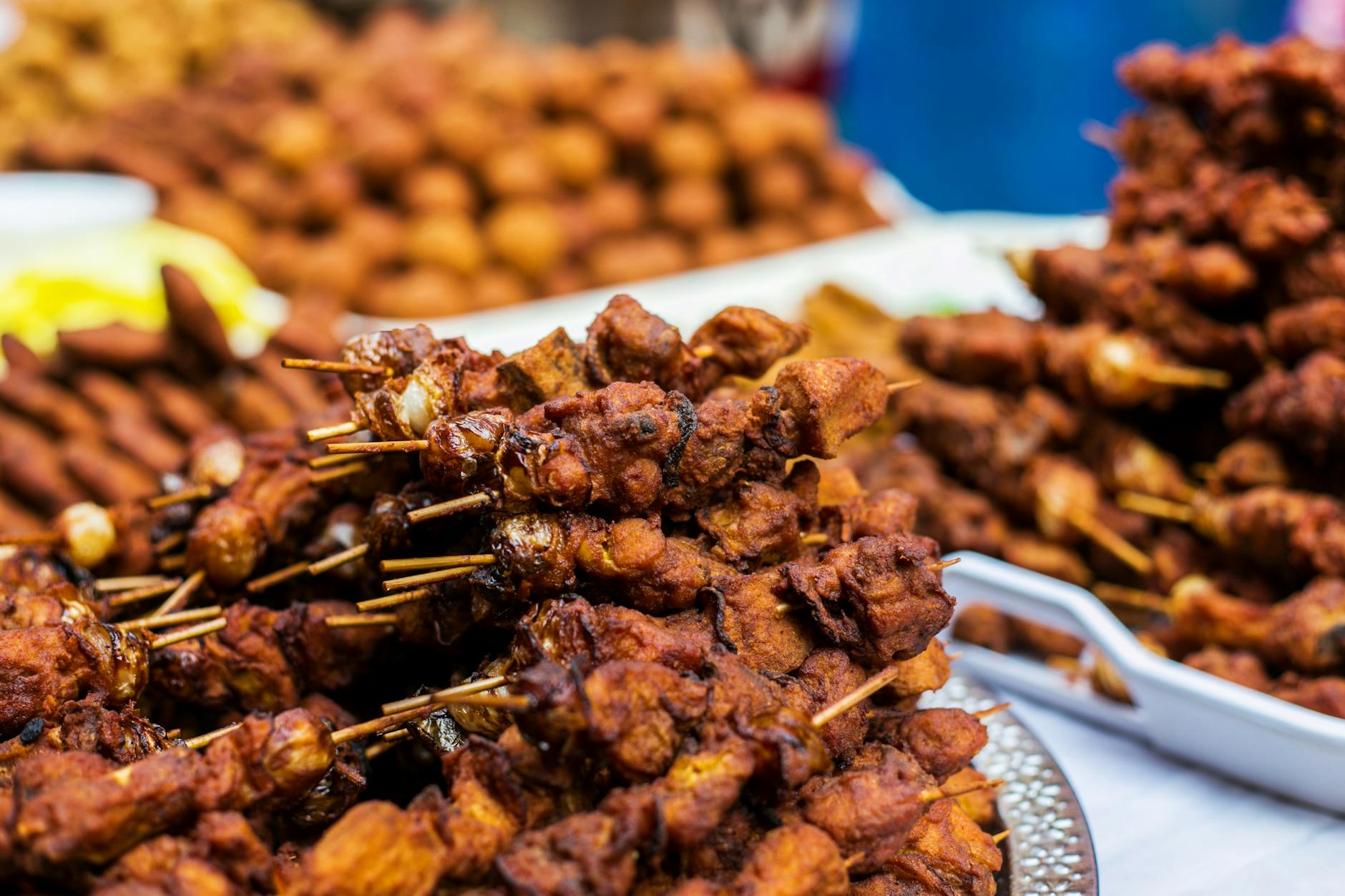
- Grilling: Kebabs, fish, burgers.
- Broiling: Steak, fish fillets.
Benefits:
- Adds smoky flavor.
- Requires minimal oil.
Caution: Avoid charring meat excessively, as burnt spots can form harmful compounds.
Frying Methods
- Sautéing: Quick cooking with little oil, best for vegetables.
- Pan-Frying: Shallow oil cooking for crispiness.
- Deep-Frying: Fully immersing food in oil for maximum crunch.
Tip: Choose oils with high smoke points like sunflower or peanut oil to avoid burning.
5️Moist Heat Cooking Methods (Detailed)
Boiling
Simple
yet powerful — great for pasta, eggs, and root vegetables.
However, over-boiling can lead to vitamin loss.
Tip: Use minimal water and reuse broth in soups to keep nutrients.
Steaming
A gentle,
healthy method where food never touches water directly.
Best for: broccoli, carrots, fish.
Benefit: Retains up to 90% of vitamins compared to boiling.
Poaching & Simmering
Gentle cooking at lower temperatures — ideal for delicate proteins.
Example: Poached eggs, poached pears.
Simmering: Slow bubbling of soups or stews for concentrated flavor.
6️Combination Cooking Methods (Detailed)
Braising
Braising
starts by searing food in fat, then slowly cooking it in liquid.
Example: Braised lamb, short ribs, or cabbage.
Benefit: Deep, complex flavors with tender textures.
Stewing
Stewing
uses smaller pieces and more liquid than braising.
Example: Vegetable stew or lentil curry.
Tip: Let it simmer slowly for richer flavor.
Sous-Vide
Sous-vide
involves vacuum-sealing food and cooking it at precise temperatures in water.
Benefit: Consistent results and nutrient retention.
Best for: Steaks, chicken breasts, vegetables.
7️Nutritional Comparison of Cooking Methods
|
Method |
Vitamin Retention |
Fat Addition |
Overall Healthiness |
|
Steaming |
✅ Excellent |
❌ None |
⭐⭐⭐⭐⭐ |
|
Boiling |
⚠️ Moderate loss |
❌ None |
⭐⭐⭐ |
|
Grilling |
⚠️ Some loss |
❌ Minimal |
⭐⭐⭐⭐ |
|
Baking |
✅ Good |
⚠️ Moderate |
⭐⭐⭐⭐ |
|
Frying |
❌ Low |
✅ High |
⭐⭐ |
|
Braising |
✅ Good |
⚠️ Some |
⭐⭐⭐⭐ |
Tip: For a balanced diet, mix and match methods — for example, steam vegetables and grill proteins.
8️Tips for Using the Chart in Daily Cooking
- Choose steaming or baking for nutrient retention.
- Use grilling or roasting for rich flavor.
- Try combination cooking (like braising) for tougher cuts.
- Keep variety in your weekly meal plan — it enhances nutrition and taste.
Pro Tip:
If you cook five days a week — use:
- 2 days of dry heat cooking
- 2 days of moist heat cooking
- 1 day of combination cooking
This balance keeps your meals healthy, flavorful, and exciting.
9️Common Mistakes to Avoid
- Boiling vegetables too long → nutrient loss
- Frying with reused oil → unhealthy fats
- Grilling over high flame → burns food
- Not preheating the oven → uneven baking
- Overcrowding the pan → soggy results
🔟 FAQs About Cooking Methods
Q1. Which
cooking method is healthiest?
Steaming and baking are among the healthiest, preserving nutrients and
requiring little oil.
Q2. Can I
combine different cooking methods in one meal?
Absolutely — for example, grill chicken and steam vegetables for a balanced
dish.
Q3.
What’s the best cooking method for weight loss?
Stick to steaming, boiling, and baking — they use minimal oil and retain
natural flavors.
Q4. How
do I make fried food healthier?
Use an air fryer or shallow pan-fry with olive or canola oil.
Q5. Does
cooking destroy all nutrients?
No — while some vitamins (like C and B) are heat-sensitive, others (like
carotenoids) become more bioavailable when cooked.
Conclusion
Cooking is as much about method as it is about ingredients. With this cooking methods chart, you now have a complete visual and practical understanding of how each technique transforms food — in flavor, texture, and nutrition.
Experiment with different methods, respect the science behind heat and moisture, and soon you’ll find every meal turning out just the way you want — delicious, healthy, and satisfying.