technology
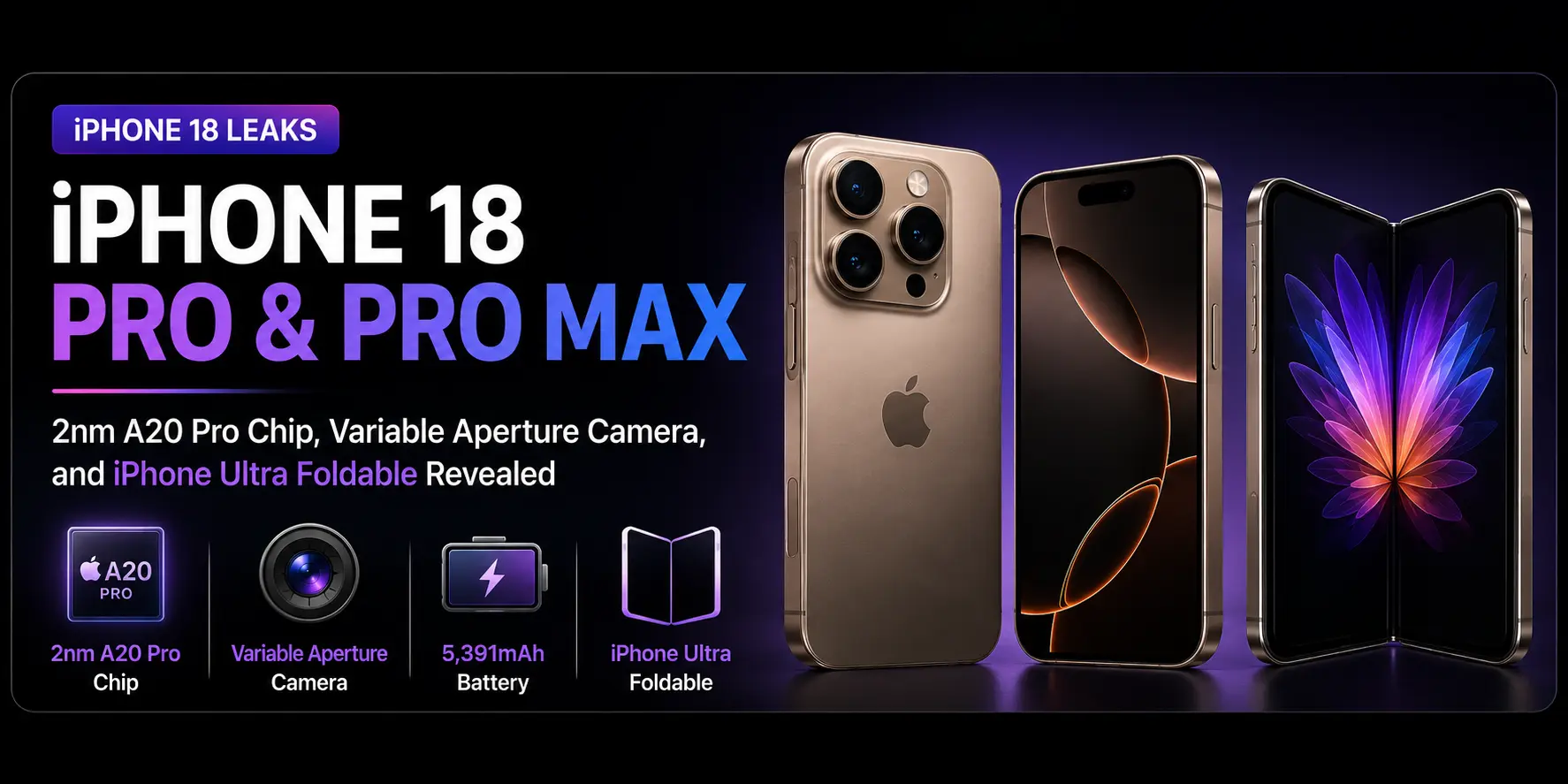
iPhone 18 Pro & Pro Max Leaks: 2nm A20 Pro Chip, Variable Aperture Camera, and iPhone Ultra Foldable Revealed
By Topics Corner20 Aug 20264 min read18 views

Cloud security architecture serves as the structural foundation that safeguards cloud environments by defining secure interactions between data, applications, and systems. It integrates technologies, policies, and best practices to ensure data confidentiality, compliance, and resilience against evolving cyber threats.

A Blind survey of 1,276 Indian tech professionals reveals a troubling reality: while more are returning from the US due to H1B visa collapse, India's job market has become brutally competitive. Top IT firms got just 4,573 H1B approvals in FY 2025 — down 70% from 2015. Read the full breakdown.

Voice assistants have become an important part of modern life, helping people manage tasks, control smart devices, and get instant information with just their voice. From Alexa and Google Assistant to Siri and Bixby, each assistant offers unique strengths — some excel at smart home control, while others are great for search accuracy or device integration. Their popularity depends on how well they understand natural speech, connect with different devices, and provide useful, hands-free experiences. As technology evolves, voice assistants in 2025 are becoming smarter, more personal, and more deeply integrated into everyday tools like phones, cars, and even home appliances.
Cloud computing security is essential for protecting data, applications, and infrastructure in online environments, ensuring that organizations remain safe from unauthorized access and cyber threats. It combines technologies, policies, and controls to maintain confidentiality, integrity, and compliance across public, private, and hybrid cloud systems.
Voice assistants like Siri, Alexa, and Google Assistant may seem magical, but they work through a smart system that listens, understands, and responds to your voice. When you say something, they detect a wake word, record your voice, convert it into text, and use artificial intelligence to figure out what you mean. Then, they connect to the right app or service — like music, weather, or maps — and respond instantly through speech or action. These assistants use advanced technologies such as speech recognition, natural language processing, and machine learning to make every interaction faster, smoother, and more human-like.