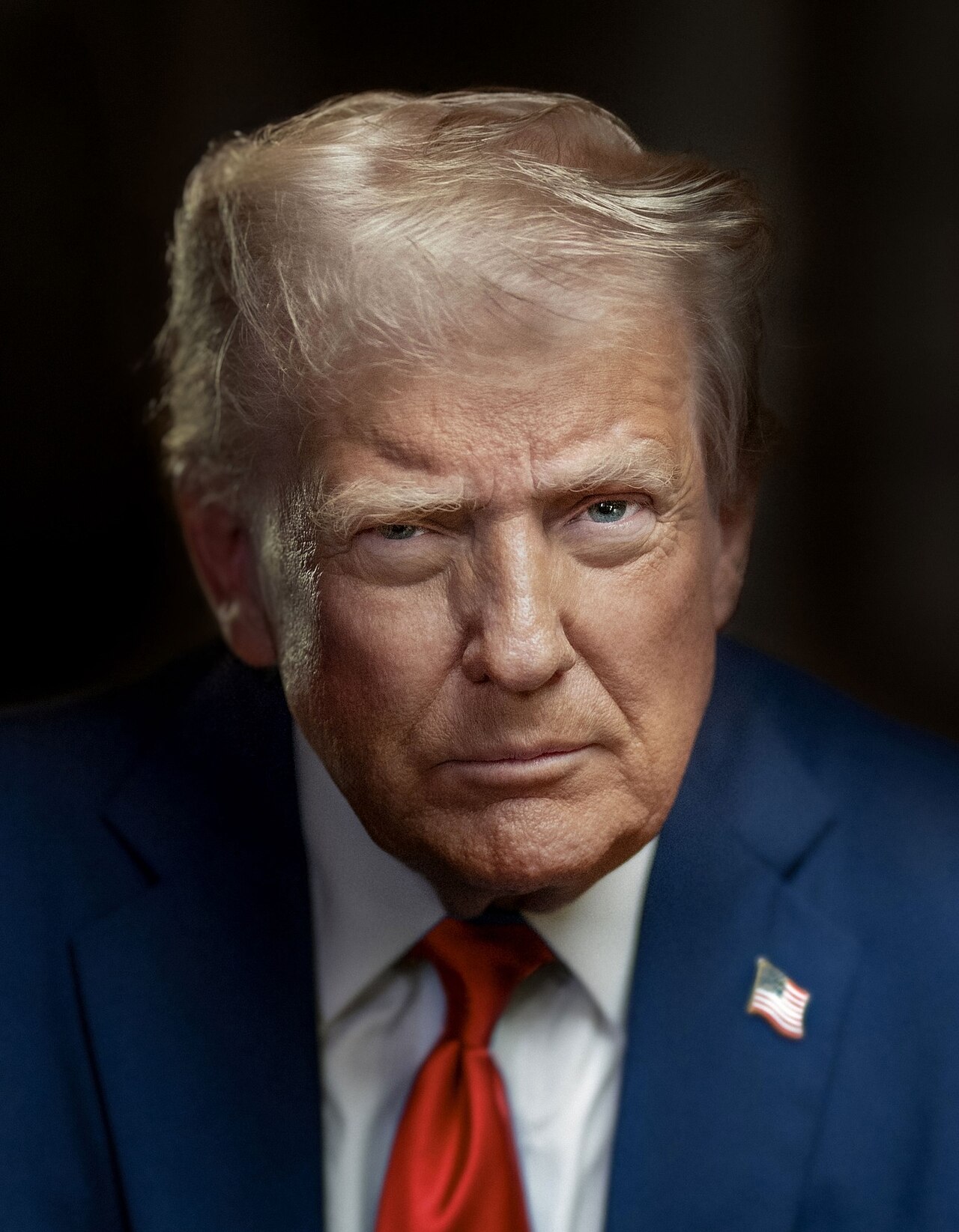
Look, Donald Trump last walked into Beijing in November 2017 as a guest who got the royal treatment — a private dinner inside the Forbidden City, a Peking Opera performance, and a four-hour tour of Chinese history that no sitting US president had ever received before. It was extraordinary, even historic. Wow. Xi Jinping was rolling out the red carpet for a man he was still figuring out. Not anymore. But when Trump returns to Beijing now, the mood is completely different. China isn't the same country it was a decade ago. It's bigger, bolder, more ready for a fight — and Xi Jinping's had ten years to study exactly how Trump thinks and works. So what does this mean for the rest of the world, and honestly, what does it mean for India sitting right in the middle of all this?
- Trump last visited Beijing in November 2017. And that was seven years ago. China's changed dramatically since then.
- China? It's now described by analysts as arguably America's most powerful rival. Ever.
- Xi's been in power for over a decade. He gets Trump's style of using surprise and unpredictability now. Totally.
- They've bulked up their military. Cut dependency on America. And China's way more confident on the world stage since 2017.
- Beijing now sees a weakening America. They're using that belief to push harder globally.
- India? This US-China rivalry directly affects trade, border tensions, and its world standing. So it's a big deal. Closer to home than you'd think.
Nobody talks about this enough.
Ten Years Ago vs Today — The China That Welcomed Trump Then Is Gone
So, back in 2017, Xi Jinping was in his first full term as China’s top leader; he wanted good ties with America and was willing to show off Chinese culture and warmth to make Trump feel special — a strategic diplomatic play, for sure. Big deal. The Forbidden City dinner was a carefully planned message — “we respect you, we want to work with you.” And? And Trump loved it. He came back home saying Xi was a great guy. Period.
And things turned sour fast. Trade wars started in 2018, with America putting huge taxes — called tariffs — on Chinese goods, and China hitting back in kind. That stings. Then came the Covid-19 pandemic, and the blame game between Washington and Beijing made things even worse. Huge. By the time Trump came back for his second term in January 2025, the relationship between the world's two biggest economies had already cracked badly.
Here's the thing — when experts and analysts look at what China is today versus 2017, the gap is enormous — an undeniable, stark reality that has reshaped global power dynamics. Wild. One senior analyst told the BBC flatly that Beijing is now “arguably the most powerful competitor the US has confronted in its history.” No joke. Is this really a surprise? Not just a rival. Not just a competitor. The most powerful one in all of American history. That's a massive claim — but the numbers back it up.
And here's the part that catches most people off guard: China was quietly preparing for exactly this kind of confrontation for years while the world was distracted. Think. Nobody talks about this enough. True.
And here's why that matters.
What Has Actually Changed — Breaking Down China’s Rise Since 2017
Look — this isn't just talk. The changes China's made over the last decade are concrete, real, and measurable — a testament to its focused, relentless ambition. Facts. Here's what's different now compared to when Trump first visited: Big shift.
- Military power: China's massively grown its navy, air force, and missile systems. The People’s Liberation Army — China’s military — is now considered the second strongest fighting force on the planet by most global defence trackers. In 2017, America was still clearly ahead. Today, the gap's closed in ways that make US military planners genuinely worried.
- Economic insulation: After Trump’s first round of tariffs in 2018, China made a deliberate plan to need America less. They invested heavily in making their own computer chips, their own advanced machines, and their own supply chains. This means US tariffs hurt China less now than they used to.
- Global influence: Through projects like the Belt and Road Initiative — a massive plan where China lends money to countries to build roads, ports, and railways — Beijing now has deep ties with dozens of countries across Africa, Asia, and Latin America. These are countries that now look to China, not America, for loans and investment.
- Xi Jinping’s experience: In 2017, Xi was still learning Trump. Now he's watched Trump for years and knows exactly how he operates. The Washington Post noted that Xi is “confident in China’s power” and ready for an unpredictable Trump. That confidence is new. And it's dangerous for America.
- A changed narrative: According to The Philadelphia Inquirer, Chinese officials and thinkers increasingly speak of America as an “empire in decline.” That's not just internal gossip — it shapes how China makes decisions about trade, military moves, and diplomacy with other nations.
- Taiwan pressure: China's stepped up military flights and naval exercises near Taiwan — the island it claims as its own — more aggressively than at any point in recent memory. In 2017, this was a background tension. Today it's a live, front-page concern.
Think.
Here's what we know: Trump’s team, according to the Wall Street Journal, is walking into a Beijing that's “more self-sufficient, militarily assertive, and economically insulated.” That's real. That's a very different negotiating table from the one Trump sat at in 2017. Period.
The numbers don't lie.
Why China Thinks America Is Weakening — And Why That Belief Changes Everything
Honestly, here's where it gets really interesting. It's not just that China's grown stronger — Beijing also genuinely believes that America's getting weaker, and Trump’s own actions have helped create that belief, shockingly. Yep. Beijing also genuinely believes that America is getting weaker — and Trump's own actions have helped create that belief. And that's big.
So, think about it this way. When Trump came back to power in January 2025, he quickly put massive new tariffs on goods from China, the European Union, Canada, and Mexico — all at the same time, triggering global economic jitters. Not small. He pulled America back from international organisations. He publicly questioned alliances that America had built over 70 years. And more. To Xi Jinping and the people around him, this looked like a country that was turning inward, picking fights with its own friends, and losing its grip on the global order it had built.
And Chinese state media — the TV channels and newspapers controlled by the government — started running more stories about American problems: political chaos in Washington, high prices for ordinary Americans, and deep social divisions. Key point. The message being sent to the Chinese public, and to countries watching from the outside, was clear: America's struggling. China's rising. Let that sit. Choose your side wisely. Period.
Period.
But this isn't small propaganda; it's a strategic move — a calculated psychological warfare campaign on a global scale. That's the truth. When other countries believe America's declining, they're less likely to side with Washington in a conflict. Worth it. They're more likely to make deals with Beijing instead. And that changes the entire balance of power — not just between the US and China, but across Asia, Africa, and everywhere in between.
And why does this matter right now?
Here's what India needs to know: this matters deeply. India sits right between these two giants, shares a contested border with China, and trades heavily with both countries — an unenviable balancing act. The result? Every shift in US-China power directly affects India’s choices, its security, and its economy. Think about it.
Worth paying attention to.
What This Means for Ordinary People — In America, China, and Yes, India Too
Look, you might be wondering — okay, big countries are fighting, so what does this have to do with me? A fair question, given the grand scale of geopolitical maneuvers. And now? Quite a lot, actually. Big.
And for a small business owner in Surat who exports textiles, the US-China trade war already changed things; when America put tariffs on Chinese goods, some buyers shifted orders to India, boosting local production. True. That was good for Indian manufacturers. But if Trump and Xi now make a deal that locks China back into the US market, those orders could go back to China, hurting Indian exporters. That stings.
But this student in Bengaluru dreaming of going to an American university, the broader US-China fight is squeezing visa policies, research partnerships, and technology sharing in ways that affect every country’s students — including Indians applying to US colleges, altering life plans. Not small. And it's affecting every country's students — including Indians applying to US colleges. Yep.
Really.
Here's what we know: for a family in Chennai whose savings are tied to mutual funds, global markets react every single time Trump tweets something about China tariffs — creating real-world financial ripples. Read that again. The Sensex in Mumbai has dropped hundreds of points on the same day major US-China announcements came out in 2025. Huge. This isn't abstract — it hits your savings directly.
But not for the reasons you'd expect.
And here's the thing — for India as a country, here's the critical thing: both America and China are actively trying to pull India to their side — a geopolitical tug-of-war for allegiance. Facts. America wants India as a partner against China. China wants India to stay neutral or lean away from Washington. Worth it? India's trying to manage both relationships at the same time — buying defence equipment from Russia, trading with China, and deepening ties with the US through the Quad alliance. This tightrope walk gets harder every time Trump and Xi sit across from each other. Think about it — when was the last time this happened?
So, the practical advice? If you follow markets, watch them closely in the days right after major Trump-Xi meetings — volatility's almost guaranteed. Not small. If you're in export business, track what sectors are covered in any new US-China trade deal. Yep. And if you care about India’s border situation with China, remember that a US-China deal that leaves Taiwan or South China Sea tensions unresolved keeps the pressure on Asia — including our northeast border. And where does that leave the rest of us?
Wow.
What Happens Next — The Dates and Decisions That Will Shape the Next Few Years
And the Trump-Xi meeting itself is just the beginning; what comes after is what really matters — that's the true measure of impact. Key point. There are several things to watch very closely. Big.
So, first, trade deal details. Trump's already announced tariff cuts on some Chinese goods — dropping them from 145% to 30% for a 90-day trial period as of May 2025, a significant, though temporary, concession. That's real. That window closes fast. Whether both sides can turn that temporary pause into a lasting deal will tell us a lot about where this relationship goes. Unreal. If talks break down again, markets will react badly, and the impact will be felt from Wall Street all the way to Dalal Street in Mumbai.
Here's what we know: Taiwan. Any deal between Trump and Xi that quietly gives China more freedom over Taiwan would send shockwaves through Asia — an outcome with profound geopolitical repercussions. That stings. Japan, South Korea, the Philippines, and Australia — all American allies — would be forced to rethink their strategies. And more. India would have to as well.
And third, technology. The US ban on selling advanced computer chips to China — put in place under both Biden and Trump — is a massive point of tension, underscoring the fierce competition for technological supremacy. Big deal. If chips come up in these talks, the outcome will directly affect which country leads the world in artificial intelligence and advanced manufacturing over the next 20 years. Wild. That's not a small thing.
Look, best case: Trump and Xi strike a broad deal, tariffs come down, markets stabilise, and both countries agree to keep their military activities away from flashpoints like Taiwan — resulting in a calmer global outlook. Worth it. India gets a calmer neighbourhood and a more predictable global economy. Most likely case: A partial deal is announced, some tariffs come down, but the big issues — chips, Taiwan, military competition — stay unresolved and keep simmering. And now? Worst case: Talks fail, tariffs go back up to 145% or higher, global markets take a serious hit, and the military standoff in the Pacific gets more dangerous. The one thing you should specifically keep an eye on: the 90-day tariff pause deadline. If a real deal isn't announced before that window closes, expect turbulence — in news, in markets, and in global politics. And that's just the beginning.
Frequently Asked Questions About Trump’s Return to China
Why is Trump visiting China again after so many years?
Honestly — Trump's returning because the trade war he started hurt both countries. There's pressure for a deal. His last visit was November 2017. The world's changed. They need to figure out where they stand before things worsen.
How has China changed since Trump’s 2017 visit?
The thing is, China's grown far more powerful in every way — a bigger military, a more self-reliant economy, and more global influence. Xi Jinping, its leader, has also had years to study how Trump operates. Analysts now say China's the most powerful rival America has ever faced, a dramatic shift from just a decade ago that demands attention.
How does the US-China rivalry affect ordinary Indians?
Here's the short version: it affects Indians more than they realize. Exporters gain or lose orders. Stock markets react sharply. India's border tensions with China are also linked to Beijing's global confidence. It's all connected.
What should Indian businesses watch out for right now?
Look — if you're in textiles, electronics, or any sector where India competes with China for export orders, track the US-China tariff talks closely. A deal that puts Chinese goods back into the US market cheaply could hurt Indian exporters significantly. The 90-day tariff pause announced in May 2025 is the key deadline to watch before making big business decisions, as it dictates much.
What is the most important thing happening between the US and China right now?
Good question. Simply put, the two biggest economies are trying to decide: fight or find common ground? The 90-day pause in extreme tariffs, announced May 2025, shows both want a break. But a full, lasting deal is far off. The underlying competition — military power, technology — isn't going away soon.
Big shift.